- Follow Us:
- (336) 855-5596
- [email protected]

How Patient-Centered Care Leads to Better Outcomes
July 22, 2026
How Skilled Nursing Facilities Use Satisfaction Surveys to Improve Care
August 5, 2026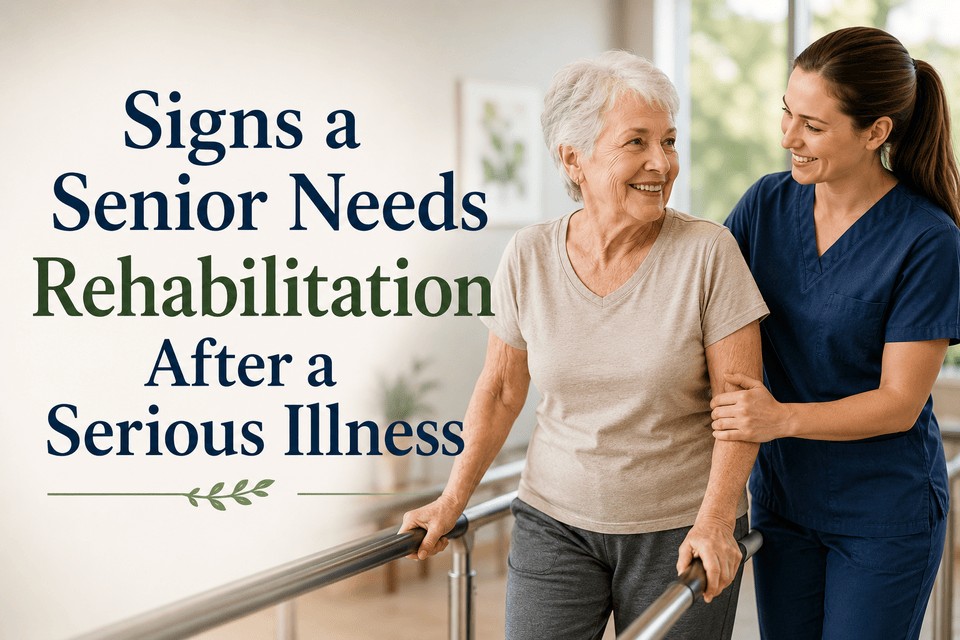
Leaving the hospital is a milestone, not the finish line. Here are the signs that a senior may need rehabilitation to fully recover.
Recovering from a serious illness is not always as simple as being discharged from the hospital. While it is certainly a milestone to return home or transition out of acute care, many older adults find that they are not quite back to the level of strength, mobility, or independence they enjoyed before becoming ill. In fact, it is common for seniors to experience lingering weakness, difficulty with everyday tasks, and reduced confidence long after the illness itself has been treated.
Whether a loved one has been hospitalized for pneumonia, COVID-19, heart failure, a severe infection, stroke, or another serious medical condition, the recovery process often requires more than rest alone. Rehabilitation can help seniors rebuild their strength, regain important daily living skills, and safely return to the activities that matter most.
Understanding the signs that rehabilitation may be needed can help families seek support early, improving both recovery and long-term quality of life.
Jump To Section
What To Watch For
Signs Rehabilitation May Be Needed
Every person’s recovery looks different, but there are several common indicators that a senior may benefit from rehabilitation following a serious illness.
One of the most noticeable signs is ongoing weakness. Your loved one may tire much more quickly than before, struggle to stand from a chair, or need assistance walking even short distances. Activities that once seemed routine, such as getting dressed, preparing a meal, or climbing a few steps, may suddenly feel overwhelming.
Other warning signs can include:
Difficulty maintaining balance or frequent falls
Trouble getting in and out of bed independently
Increased shortness of breath during normal activities
Problems with swallowing after certain illnesses
Difficulty speaking or communicating clearly
Reduced appetite or unintended weight loss
Memory or concentration changes
Needing help with bathing, dressing, or using the restroom
These changes do not necessarily mean a loved one will not recover. Instead, they often indicate that additional therapy and skilled support could help accelerate recovery while reducing the risk of complications or readmission to the hospital.
Understanding Recovery
Why Serious Illness Can Cause Lasting Weakness
Many families are surprised by how quickly strength declines during hospitalization.
Even a relatively short hospital stay can lead to muscle loss, reduced endurance, and decreased mobility. Extended bed rest allows muscles to weaken rapidly, while serious illnesses often place enormous physical stress on the body as it fights infection or heals damaged tissues.
Older adults may also experience reduced appetite during illness, making it more difficult to maintain muscle mass and energy levels. Certain medications, changes in blood pressure, breathing difficulties, and chronic health conditions can further slow recovery.
Beyond physical weakness, some illnesses temporarily affect memory, attention, balance, or coordination. These challenges can make everyday activities more difficult even after the primary illness has improved.
Because recovery involves rebuilding multiple aspects of health, not just treating the original illness, rehabilitation often becomes an important next step.
Timing Matters
The Benefits of Early Rehabilitation
One of the greatest advantages of rehabilitation is that it begins addressing these challenges before they become long-term problems.
Starting therapy early can help seniors regain strength, improve balance, increase endurance, and rebuild confidence while reducing the risk of falls and other complications. Early rehabilitation also encourages safe movement, which supports circulation, joint flexibility, and overall healing.
Perhaps equally important, rehabilitation helps restore independence.
Instead of simply helping someone get through each day, therapists work toward meaningful goals that allow seniors to safely perform everyday tasks on their own whenever possible. Whether the objective is walking independently, preparing meals, climbing stairs, or returning to favorite hobbies, rehabilitation focuses on helping patients regain the abilities that matter most to them.
Many rehabilitation centers in North Carolina emphasize early intervention because timely therapy often leads to better outcomes and smoother transitions back home.
The Care Team
Therapies That Support Recovery
Rehabilitation is rarely limited to one type of therapy. Instead, an interdisciplinary team works together to address each person’s unique recovery needs.
Physical therapy focuses on rebuilding strength, improving balance, increasing endurance, and restoring mobility. Patients practice walking, transferring safely, climbing stairs, and strengthening muscles that may have weakened during illness.
Occupational therapy helps seniors regain the skills needed for daily living. This may include dressing, bathing, grooming, meal preparation, and safely performing household tasks. Therapists may also recommend adaptive equipment that makes everyday activities easier and safer.
Speech therapy is not only for communication. It may also help individuals recovering from strokes, neurological conditions, or illnesses that affect swallowing, memory, attention, or problem-solving skills.
Working together, these therapies address the whole person rather than focusing on only one aspect of recovery.
Individualized Care
Personalized Recovery Plans
No two seniors recover in exactly the same way, which is why individualized care plans are so important.
A personalized rehabilitation plan begins with a comprehensive assessment of the patient’s current abilities, medical history, mobility, cognitive function, nutritional needs, and personal goals. Therapists and nurses then work together to establish realistic milestones that can be adjusted as progress is made.
Some individuals may need intensive therapy to recover after a stroke, while others simply require additional strength training after pneumonia or heart failure. A personalized approach ensures that therapy focuses on the areas where each patient can benefit the most.
Many North Carolina skilled nursing facilities combine rehabilitation with skilled nursing care, allowing patients to receive therapy while experienced nurses monitor medications, manage medical conditions, and provide around-the-clock support when needed.
This coordinated approach gives patients and families confidence that every aspect of recovery is being addressed.
The Next Chapter
Preparing to Return Home
One of the primary goals of rehabilitation is helping patients safely return to the place they call home whenever possible.
Before discharge, therapists often evaluate whether patients can safely perform essential daily activities, move around their home independently, and navigate common obstacles such as stairs or uneven surfaces. Families may receive education about mobility techniques, equipment recommendations, medication routines, and home safety modifications that support continued recovery.
The care team may also coordinate follow-up therapy, physician appointments, and additional services that help patients continue progressing after leaving the rehabilitation setting.
Preparing for discharge is not simply about deciding when someone can go home. It is about ensuring they have the strength, confidence, and support needed to succeed once they get there.
Here In Jamestown
How Adams Farm Living & Rehabilitation Supports Recovery
At Adams Farm Living & Rehabilitation, we understand that recovering from a serious illness takes more than time. It takes compassionate support, skilled therapy, and a team that is committed to helping every individual regain their highest possible level of independence.
Our experienced clinicians create personalized rehabilitation plans tailored to each resident’s unique health needs and recovery goals. Through physical, occupational, and speech therapy, combined with skilled nursing care, we help residents safely rebuild strength, improve mobility, and restore confidence throughout the healing process.
As one of the trusted rehabilitation centers in North Carolina, Adams Farm Living provides comprehensive care in a welcoming environment where patients and families across the Piedmont Triad receive the guidance, encouragement, and expertise they deserve. Whether someone requires short-term rehabilitation or ongoing support within a medical nursing home, our focus remains on delivering high-quality, compassionate care every step of the way.
Moving Forward
Conclusion
Recovering from a serious illness often involves much more than waiting for the body to heal. Ongoing weakness, balance problems, difficulty with daily tasks, or reduced endurance can all be signs that a senior would benefit from rehabilitation services.
Recognizing these warning signs early allows families to seek help before small challenges become larger obstacles. Through individualized therapy, skilled nursing care, and personalized recovery plans, rehabilitation helps older adults regain strength, restore independence, and prepare for a safe return home.
If you are exploring North Carolina skilled nursing facilities or looking for experienced rehabilitation centers in North Carolina, Adams Farm Living is here to provide compassionate, personalized care that supports recovery with dignity, encouragement, and expertise. Our goal is to help every resident move forward with greater confidence, improved function, and the highest possible quality of life.
Ready to Talk About Your Loved One’s Recovery?
Our therapy and nursing teams in Jamestown are here to answer your questions and walk you through what recovery could look like. Call (336) 855-5596 or reach out to schedule a visit.