
How Rehabilitation Helps Seniors Regain Strength and Confidence
June 4, 2026
How Patient-Centered Care Leads to Better Outcomes
July 22, 2026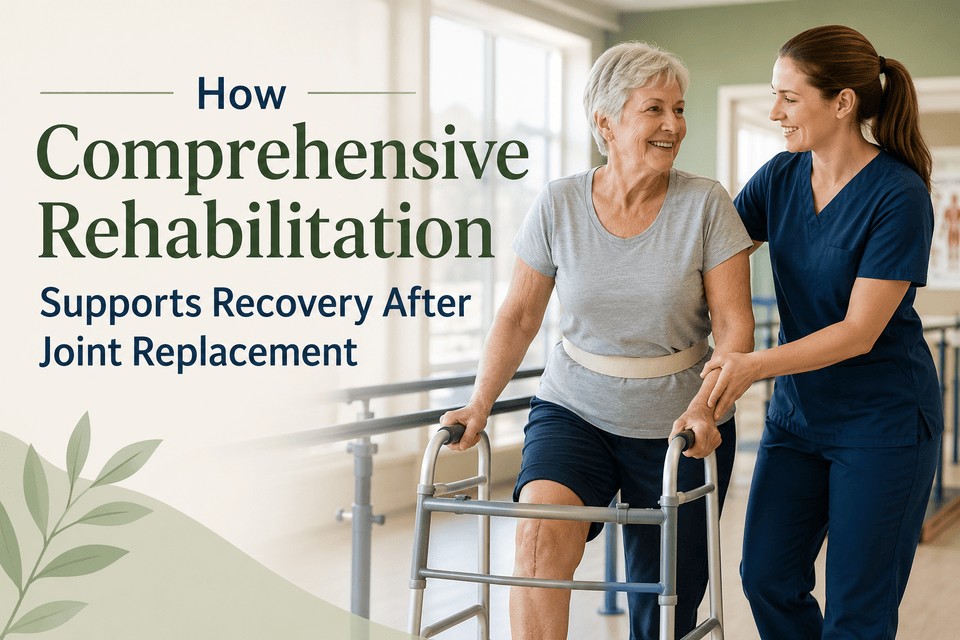
Surgery is only the first step. The real progress happens during recovery, and that is where compassionate rehabilitation makes all the difference.
Joint replacement surgery can be life-changing for people living with chronic pain and limited mobility. Whether replacing a hip, knee, or shoulder, the procedure often provides a fresh opportunity to move more comfortably and regain independence. However, surgery is only the beginning. Recovering from joint replacement requires more than time and rest. It takes a personalized approach that combines skilled therapy, pain management, education, and encouragement to help patients safely rebuild strength and confidence.
At Adams Farm Living & Rehabilitation, our goal is to provide the support patients need to return to the activities they enjoy while achieving the best possible outcome. Let us explore how comprehensive rehabilitation helps patients recover after joint replacement surgery, and why choosing the right rehabilitation team can make all the difference right here in Jamestown.
Jump To Section
Individualized Care
Recovery Begins With a Personalized Rehabilitation Plan
No two patients recover at exactly the same pace. Age, overall health, physical condition, lifestyle, and the type of joint replacement all influence the rehabilitation process. That is why personalized care is one of the most important components of a successful recovery.
When a patient begins rehabilitation, an interdisciplinary team, including physicians, nurses, physical therapists, occupational therapists, and other healthcare professionals, works together to create an individualized treatment plan. Each plan is designed around the patient’s unique needs and recovery goals. Some individuals may focus on returning to work, while others hope to safely climb stairs, enjoy time with grandchildren, or simply walk without pain.
As recovery progresses, therapists continually adjust treatment plans based on the patient’s progress. This individualized approach helps ensure that rehabilitation remains challenging enough to promote improvement while staying safe and achievable.
Physical Therapy
Building Strength and Improving Mobility
After joint replacement surgery, it is normal to experience weakness, stiffness, and limited movement. Muscles surrounding the new joint need time to regain strength, while balance and coordination often require retraining. Without proper rehabilitation, patients may struggle to recover full function or develop unhealthy movement patterns.
Physical therapy is designed to gradually restore:
Muscle strength
Flexibility
Joint mobility
Balance
Coordination
Endurance
Therapists guide patients through exercises that improve movement while protecting the healing joint. Each small accomplishment builds toward larger goals. Walking a little farther each day, climbing stairs with greater confidence, or getting in and out of a chair without assistance are milestones that significantly improve both recovery and quality of life. Over time, these gains help patients return to many of the activities they enjoyed before surgery.
Comfort and Progress
Pain Management Supports Better Recovery
Managing discomfort is an important part of the rehabilitation process. While some soreness is expected after surgery, uncontrolled pain can make it difficult for patients to fully participate in therapy. Effective pain management allows individuals to stay engaged in rehabilitation while supporting healing and improving overall comfort.
Comprehensive rehabilitation programs often combine several approaches, including:
Medication management
Therapeutic exercise
Gentle stretching
Ice and heat therapy when appropriate
Positioning techniques
Education on safe movement
Therapists also teach patients how to move safely throughout the day to minimize strain on the healing joint. The goal is not simply to reduce pain. It is to help patients move confidently while continuing to make steady progress.
Everyday Living
Occupational Therapy Helps Restore Daily Independence
Recovering from joint replacement is not only about walking again. Many everyday tasks become more challenging immediately after surgery. Activities such as dressing, bathing, cooking, or getting into a vehicle may suddenly require extra effort. Occupational therapy focuses on helping patients safely perform these daily activities.
Therapists teach practical techniques for:
Dressing independently
Bathing safely
Preparing meals
Using adaptive equipment
Navigating the home environment
Conserving energy during daily tasks
These skills allow patients to return home feeling more confident and better prepared to manage everyday routines. Restoring independence is one of the most rewarding aspects of the rehabilitation journey.
Discharge Planning
Preparing for a Safe Return Home
A successful recovery does not end when therapy sessions are complete. One of the primary goals of comprehensive rehabilitation is preparing patients to safely transition back to their homes and communities. Before discharge, the care team works closely with patients and families to ensure they have the knowledge and resources needed for continued success.
Preparation may include:
Home safety recommendations
Instructions for continued exercises
Guidance on using walkers or other mobility devices
Medication education
Fall prevention strategies
Coordination with outpatient therapy if needed
This planning helps reduce anxiety while promoting a smoother transition from rehabilitation to independent living. Patients leave feeling more prepared, and families gain peace of mind knowing their loved one has the tools needed to continue recovering safely.
Emotional Support
Confidence Is Just as Important as Physical Healing
Recovery after joint replacement is not only physical. Many patients experience fear about falling, damaging the new joint, or returning to normal activities. These concerns are completely understandable, especially during the early stages of recovery.
A supportive rehabilitation environment helps rebuild confidence alongside physical strength. Therapists celebrate milestones, encourage progress, and provide reassurance throughout the healing process. Every successful step reinforces the patient’s belief in their ability to recover.
This emotional encouragement often becomes just as valuable as the therapy itself. When patients feel supported and confident, they are more likely to stay motivated and actively participate in their rehabilitation program.
Continuous Improvement
A Commitment to Quality Care
Exceptional rehabilitation is built on more than clinical expertise. It also requires listening to patients and continually striving to improve their experience. Many rehabilitation providers use tools such as a patient satisfaction survey in healthcare to better understand what patients value most about their care. Feedback from patients and families helps care teams identify strengths, improve communication, and enhance the overall rehabilitation experience.
At Adams Farm Living, we believe that excellent outcomes begin with personalized attention, compassionate care, and a commitment to continuous improvement.
The Adams Farm Difference
Why Families Choose Adams Farm Living & Rehabilitation
Families searching for nursing homes in Jamestown NC want more than quality medical care. They want a place where their loved one will be treated with dignity, compassion, and respect throughout recovery.
As a trusted Adams nursing home, Adams Farm Living provides individualized rehabilitation services designed to help patients regain strength, restore independence, and improve their overall quality of life after joint replacement surgery. Our experienced rehabilitation team works closely with every patient to create personalized recovery plans while providing encouragement, education, and expert care every step of the way.
Joint replacement surgery offers the opportunity for renewed mobility and a better quality of life, but achieving the best results requires dedication, expert guidance, and the right rehabilitation program. Whether you are exploring nursing homes in Jamestown NC or looking for a trusted Adams nursing home for post-surgical recovery, our team is committed to helping every patient achieve the highest possible quality of life with confidence and dignity.
Recover Close to Home in Jamestown
If you or a loved one is preparing for joint replacement recovery, our team is here to help. Call Adams Farm Living at (336) 855-5596 or reach out to schedule a visit and see how compassionate rehabilitation can support a confident return home.