- Follow Us:
- (336) 855-5596
- [email protected]


Why Resident and Family Feedback Matters in Long-Term Care
October 15, 2026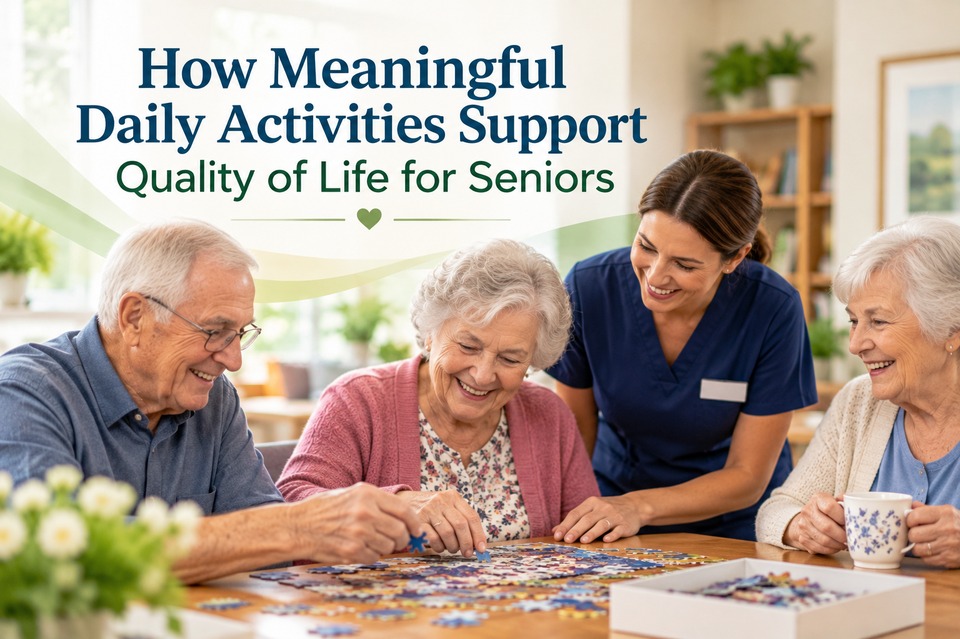
Think about the small things that make an ordinary day enjoyable. Those needs don’t disappear as we age.
Maybe it’s drinking coffee while reading the newspaper, tending to a garden, talking with a friend, listening to a favorite song, working on a puzzle, cooking a meal, or watching a favorite team play. These activities might not seem particularly important on their own, but together they create routine, connection, enjoyment, and a sense of purpose. For older adults living in skilled nursing or long-term care communities, meaningful daily activities can be an important part of overall quality of life. They provide opportunities to stay engaged, connect with other people, use existing abilities, explore interests, and simply enjoy the day.
Families comparing North Carolina skilled nursing facilities often understandably focus first on medical care, rehabilitation, safety, and assistance with everyday needs. Those services are essential, but it’s also worth asking what daily life looks like beyond clinical care. At Adams Farm Living & Rehabilitation, right here in Jamestown, we believe a supportive environment should recognize that residents are individuals with interests, personalities, histories, and preferences that continue to matter.
Jump To Section
Why It Matters
Why Daily Activities Matter for Seniors
Staying engaged can take many forms, and every resident defines a meaningful day a little differently:
Participating in an exercise group and chatting with friends afterward
Listening to music, reading, or working quietly on a craft
Enjoying games, seasonal celebrations, religious activities, gardening, or helping with a simple project
The specific activity matters less than whether it feels meaningful to the person participating.
Daily activities can provide structure, something to look forward to, and opportunities for residents to make choices about how they spend their time. This can be especially valuable for someone adjusting to a new environment.
Moving into a nursing or rehabilitation community often changes familiar routines. A resident may no longer be preparing breakfast in their own kitchen, walking to the mailbox, or visiting the same neighbors they’ve known for years. Meaningful activities can help create new routines while preserving connections to familiar interests.
Physical Well-Being
Staying Active Can Support Physical Well-Being
Activity doesn’t always mean formal exercise. Depending on a resident’s abilities, movement might include:
Walking or stretching
Participating in a chair exercise group
Dancing or gardening
Tossing a ball, or simply moving around during a social activity
These opportunities can encourage residents to use their abilities rather than remaining sedentary throughout the day.
For residents who have mobility limitations or medical conditions, activities should be adapted appropriately. Someone who can’t stand for long periods may still participate in a seated activity. A resident who uses a wheelchair may enjoy games or movement-based programs designed around their abilities.
The goal isn’t to push residents beyond what is safe or comfortable. Instead, daily engagement can provide opportunities for appropriate movement while making the experience enjoyable.
For residents receiving rehabilitation, recreational activities may also complement the broader goal of staying engaged in everyday life. Therapy sessions have specific clinical objectives, but residents also benefit from opportunities to use their abilities outside of scheduled therapy time when appropriate.
Mental Engagement
Activities Can Keep the Mind Engaged
Mental engagement is another important part of daily life. Puzzles, trivia, card games, reading, crafts, music, conversation, and other activities can encourage residents to think, remember, make decisions, and interact with the world around them.
Not every activity needs to feel like a brain exercise, either. Everyday moments can be wonderfully engaging:
A conversation about a favorite childhood memory can be mentally engaging
Choosing colors for an art project requires decision-making
A familiar card game may involve strategy, memory, and social interaction
Music can inspire memories and conversation
When families tour nursing homes in North Carolina, they may want to ask about the variety of activities available and whether residents have opportunities for both group and individual engagement. A diverse program can make it easier for people with different interests and abilities to find something they enjoy.
Person-Centered Care
Meaningful Activities Should Reflect Individual Interests
A full calendar doesn’t automatically create meaningful engagement. Imagine someone who has never enjoyed crafts being encouraged to attend craft activities every week. The program may be well organized, but it probably won’t feel particularly meaningful to that resident.
Person-centered activities begin with getting to know the individual. Helpful questions include:
What did the resident enjoy doing before moving into the community?
What kind of music do they like?
Did they garden, cook, travel, sew, play cards, follow sports, attend church, read mystery novels, or spend time outdoors?
Learning about these interests can help staff identify activities that may genuinely appeal to the resident. Past occupations can offer ideas as well:
A former teacher might enjoy helping with a trivia activity
Someone who spent years gardening may enjoy tending plants
A lifelong homemaker may enjoy folding towels or participating in a baking activity, not because these are chores they are expected to perform, but because familiar tasks can sometimes provide comfort and purpose
Meaning comes from the individual’s relationship with the activity.
Resident Choice
Choice Is an Important Part of Engagement
Meaningful engagement should also include the ability to say no. Residents don’t all want to participate in the same activities, and they shouldn’t have to.
Some people thrive in busy social environments. Others have always preferred quieter routines. A resident may enjoy attending a musical program but have no interest in a large party. Another may look forward to every group activity on the calendar.
Respecting these differences is part of person-centered care. Rather than viewing participation simply as whether someone attended an organized event, facilities can consider how residents prefer to spend their time.
A quiet afternoon reading a favorite book can be just as meaningful to one person as an hour of group games is to another.
Comfort and Continuity
Familiar Routines Can Provide Comfort
Not every meaningful activity needs to be new or exciting. In fact, familiar routines can be especially valuable. People often find comfort in the small habits that have shaped their days for decades, such as:
Drinking coffee in the morning
Reading before bed
Watching a particular television program
Listening to music after lunch
Calling family at a certain time
When possible, supporting familiar routines can help residents maintain continuity and a sense of identity.
This can be particularly important during the adjustment to long-term care. Everything from the room to the meal schedule may initially feel different. Familiar interests and routines provide something recognizable within that new environment. Families can help by sharing information about these preferences with the care team.
Purpose and Belonging
Activities Can Create a Sense of Purpose
Everyone wants to feel useful, and older adults are no different. Meaningful engagement can sometimes involve contributing rather than simply being entertained. Depending on a resident’s interests and abilities, this could mean:
Helping decorate for a holiday
Watering plants
Organizing materials for an activity
Welcoming a new resident
Participating in a community project
These opportunities can provide a sense of accomplishment and belonging. A resident isn’t simply attending an activity. They’re contributing something.
That distinction can be important. Quality of life involves more than filling hours in the day. It includes feeling that your presence, preferences, experiences, and abilities still matter.
Family Involvement
Families Can Help Make Activities More Personal
Families can be a wonderful source of information about what makes a loved one happy. When someone first enters a community, relatives can share favorite hobbies, music, sports teams, traditions, foods, occupations, and routines. They can also mention activities the resident strongly dislikes.
Family members can remain part of meaningful engagement as well. Visits don’t always have to involve sitting in a room and trying to think of things to talk about. Families might:
Look through old photographs together
Play a familiar card game
Watch a favorite movie
Take an appropriate walk together
Listen to music
The goal isn’t to create a complicated activity every time. It’s simply to spend time together in ways that feel natural and enjoyable.
Daily Engagement
How Skilled Nursing Communities Encourage Daily Engagement
At North Carolina skilled nursing facilities, activities may be offered in many different formats depending on the community and residents’ needs. There may be organized group events, exercise opportunities, games, music, arts and crafts, holiday celebrations, religious services, outdoor activities, educational programs, and other forms of recreation.
Just as important are the smaller opportunities for connection throughout the day. A conversation with a staff member, a visit with family, time spent outdoors, or listening to favorite music can all contribute to a resident’s experience.
When evaluating a community, families can ask:
How do staff learn about resident interests?
Are activities adapted for different abilities?
What opportunities exist for residents who prefer smaller groups or individual activities?
These questions can provide a better picture of what everyday life may actually look like.
Life at Adams Farm
Looking Beyond Care Needs at Adams Farm
At Adams Farm Living, caring for residents means recognizing that quality of life involves more than meeting medical and personal care needs. Residents bring a lifetime of experiences with them. They have favorite songs, hobbies, routines, stories, traditions, and relationships. Creating opportunities for meaningful daily engagement can help residents continue expressing those parts of themselves.
For families across Jamestown and the Piedmont Triad comparing nursing homes in North Carolina, it’s worth looking beyond the building itself and asking how residents spend their days:
Are there opportunities to socialize?
Can activities accommodate different abilities and interests?
Are residents encouraged to make choices?
Does the community recognize that some people enjoy a busy calendar while others prefer quieter forms of engagement?
The answers can reveal a great deal about the daily experience of living in a community. Ultimately, meaningful activities aren’t simply a way to pass the time between meals or appointments. They can create opportunities for movement, conversation, creativity, laughter, connection, and purpose.
And sometimes the most meaningful activity isn’t elaborate at all. It might simply be listening to an old song, tending a plant, sharing a story with a new friend, or enjoying a familiar routine that makes an unfamiliar place feel a little more like home.
FAQs
Frequently Asked Questions About Activities and Quality of Life for Seniors
Why are activities important for seniors in nursing homes? Meaningful activities can give residents opportunities to socialize, stay mentally engaged, use their physical abilities, enjoy familiar interests, and make choices about how they spend their time. Activities can also add structure and variety to the day.
What types of activities are appropriate for seniors with limited mobility? Activities can often be adapted to different abilities. Depending on the individual, options may include seated exercise, music, games, crafts, reading, trivia, gardening activities, social groups, and one-on-one engagement. Activities should reflect the resident’s interests as well as their physical and cognitive abilities.
How do social activities benefit older adults? Social activities provide opportunities for conversation, companionship, and relationship building. For residents who have experienced changes in their social network because of health, mobility, or life transitions, regular opportunities to connect with others can be especially meaningful.
What should families ask about activities when comparing nursing homes in North Carolina? Families can ask what types of activities are available, how resident interests are identified, whether programs are adapted for different abilities, how often activities are offered, and what options exist for residents who prefer individual or small-group engagement.
Can families help nursing home staff understand a resident’s interests? Yes. Families can share information about a loved one’s hobbies, career, favorite music, routines, traditions, interests, and previous social activities. This information can help staff better understand what types of engagement may be meaningful to the individual resident.
See What Daily Life Looks Like at Adams Farm
We’d love to show you how our Jamestown community helps residents stay active, connected, and engaged in the things they enjoy. Schedule a visit or call our team at (336) 855-5596.
Social Connection
Social Activities Can Help Residents Stay Connected
Loneliness and social isolation can affect older adults, particularly after major life changes. A spouse may have died. Friends may live farther away. Health or mobility limitations may have made it difficult to participate in previous social activities. Moving into long-term care can add another significant transition.
Community activities can create natural opportunities to meet people and build relationships. A resident who might not walk up to someone and start a conversation may find it easier to connect while playing bingo, participating in a craft, attending a celebration, or sitting beside someone during a musical performance.
Over time, familiar faces can become friends.
These connections can make the community feel more like home. Residents may begin looking forward not only to the activity itself but also to seeing the people who participate with them.
Social engagement doesn’t have to happen in a large group, either. Some residents prefer smaller gatherings or one-on-one conversations. Offering different ways to connect can help accommodate a range of personalities and comfort levels.