
How Comprehensive Rehabilitation Supports Recovery After Joint Replacement
July 16, 2026
Signs a Senior Needs Rehabilitation After a Serious Illness
August 1, 2026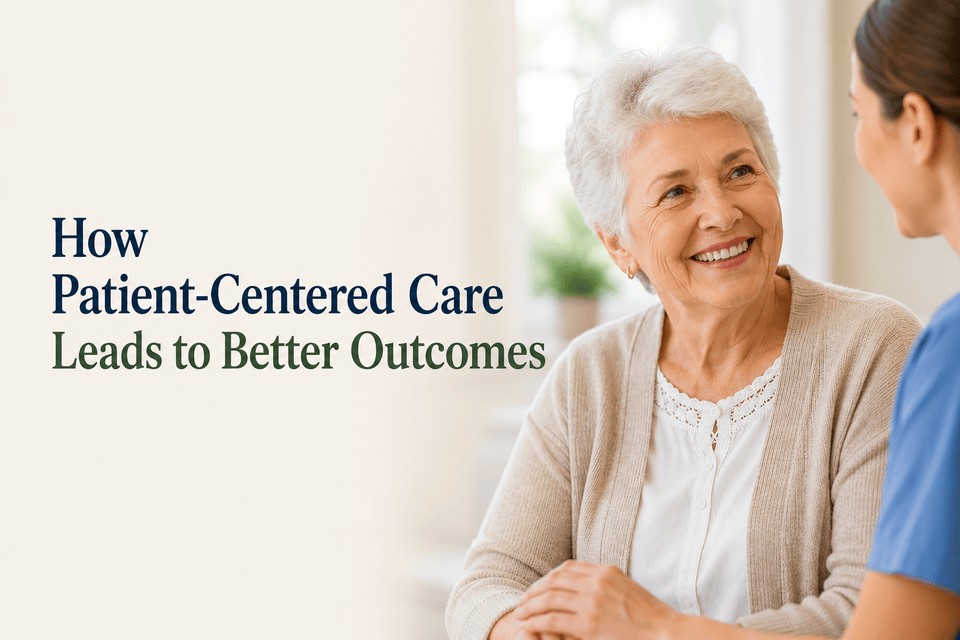
Healthcare is about more than diagnosing conditions and completing therapy sessions. At its heart, quality care is about people.
Every patient has a unique story, different goals, and individual needs that deserve to be recognized throughout the healing process. That is the foundation of patient-centered care. Rather than using a one-size-fits-all approach, patient-centered care focuses on building treatment plans around the individual. It encourages collaboration between patients, families, physicians, nurses, therapists, and caregivers to create an experience that supports both physical recovery and emotional well-being.
At Adams Farm Living & Rehabilitation, patient-centered care is more than a philosophy. It is an approach that guides every interaction, every therapy session, and every recovery plan. When patients feel heard, respected, and actively involved in their care, they often experience greater confidence, improved recovery, and higher overall satisfaction. Let us explore why patient-centered care has become one of the most important principles in modern healthcare, right here in Jamestown and across the Piedmont Triad.
Jump To Section
Built Around You
Personalized Care Plans Make Every Recovery Unique
No two patients are exactly alike. Even when two people undergo the same surgery or receive the same diagnosis, their recovery journeys may look very different. Age, medical history, lifestyle, personal goals, and overall health all influence the rehabilitation process. That is why personalized care plans are such an important part of patient-centered care.
When patients begin treatment, an interdisciplinary team works together to understand not only their medical needs but also what matters most to them personally. For one individual, the goal may be returning to gardening. For another, it may be walking independently, attending family events, or simply being able to prepare meals again.
These personal goals become part of the rehabilitation plan alongside medical treatment. As patients make progress, their care plans continue to evolve, ensuring therapy remains appropriate, effective, and focused on meaningful outcomes. This individualized approach helps patients stay motivated because every milestone directly supports the life they want to return to.
Open and Honest
Better Communication Creates Stronger Partnerships
One of the defining features of patient-centered care is communication. Patients and families deserve to understand what is happening throughout the recovery process. They should feel comfortable asking questions, expressing concerns, and participating in important healthcare decisions.
Open communication helps eliminate confusion while building trust between patients and their healthcare team. When providers take time to explain treatment options, therapy goals, medications, and expected recovery timelines, patients often feel more confident and less anxious. Family members also benefit from regular updates and opportunities to participate in care planning.
These conversations create stronger partnerships where everyone is working toward the same goal: helping the patient recover safely and successfully. Good communication does not just improve the patient experience. It often improves clinical outcomes as well.
Active Partners
Encouraging Active Patient Engagement
Recovery is not something that happens to patients. It is something patients actively participate in every day. Patient-centered care encourages individuals to take an active role in their own recovery by understanding their treatment plan, setting goals, participating in therapy, and making informed decisions about their health.
When patients feel involved, they are often more motivated to:
Attend therapy sessions
Follow exercise programs
Take medications correctly
Practice safety recommendations
Communicate concerns early
This level of engagement helps create better long-term results because patients become active partners rather than passive recipients of care. Small daily efforts can lead to meaningful improvements over time. Healthcare teams play an important role by celebrating progress, encouraging participation, and helping patients recognize how each accomplishment contributes to their larger recovery goals.
Tailored Therapy
Improving Recovery Through Individualized Rehabilitation
Whether recovering from surgery, illness, injury, or hospitalization, rehabilitation is most successful when it is tailored to the individual. Patients receiving short term nursing care often benefit from personalized rehabilitation programs that combine skilled nursing with physical, occupational, and speech therapy as needed.
Rather than following identical therapy schedules for every patient, therapists adapt exercises and activities based on each person’s:
Current abilities
Medical condition
Pain level
Strength
Balance
Functional goals
This personalized approach helps maximize progress while reducing frustration and minimizing unnecessary setbacks. Patients who receive individualized rehabilitation often regain mobility, independence, and confidence more effectively than those receiving generalized treatment approaches.
More Than a Diagnosis
Building Trust Through Compassionate Care
Excellent healthcare extends beyond medical expertise. Patients also want to feel respected, valued, and genuinely cared for. Simple actions such as listening carefully, answering questions patiently, remembering personal preferences, and offering encouragement during difficult moments can make a tremendous difference throughout the recovery journey.
Compassion builds trust. When patients trust their healthcare team, they are often more willing to communicate openly about symptoms, concerns, or challenges they are experiencing.
This stronger relationship allows providers to adjust treatment plans more effectively while addressing issues before they become larger problems. Compassionate care reminds patients that they are more than a diagnosis. They are individuals whose well-being matters.
Feedback That Matters
Listening to Patients Improves Care for Everyone
Patient-centered care does not end when treatment is complete. Healthcare organizations continually seek feedback to better understand how patients experienced their care and identify opportunities for improvement. One important tool is the patient satisfaction survey in healthcare.
These surveys allow patients and families to share honest feedback about communication, therapy, nursing care, comfort, cleanliness, responsiveness, and overall satisfaction. This information helps healthcare leaders recognize what is working well while identifying areas where additional improvements can be made.
Patient feedback supports continuous quality improvement and reinforces a culture where listening is considered an essential part of delivering exceptional care. When organizations value patient input, everyone benefits.
Whole-Person Healing
Supporting Better Outcomes Across Every Stage of Recovery
Patient-centered care has been associated with numerous positive outcomes throughout healthcare. Patients often experience:
Greater satisfaction with their care
Improved communication with providers
Higher participation in therapy
Increased confidence during recovery
Better adherence to treatment plans
Smoother transitions home
These improvements do not happen by accident. They result from healthcare teams that recognize recovery involves more than treating a medical condition. It requires understanding the whole person. Whether someone is recovering from joint replacement, stroke, illness, injury, or hospitalization, individualized care helps support better physical, emotional, and functional outcomes.
The Adams Farm Difference
Why Families Choose Adams Farm Living & Rehabilitation
Families searching for trusted rehabilitation centers in North Carolina want more than skilled medical care. They want compassionate professionals who treat every resident with dignity, respect, and individualized attention.
At Adams Farm Living, patient-centered care is woven into everything we do. From personalized rehabilitation plans and skilled nursing services to open communication with families and individualized therapy programs, our team is dedicated to helping every resident achieve the highest possible quality of life. Whether a resident requires short term nursing care following a hospitalization or ongoing rehabilitation services, we are committed to creating an environment where healing, comfort, and independence remain the highest priorities.
The best healthcare recognizes that every patient is unique. Patient-centered care places individuals, not diagnoses, at the center of every decision. As one of the trusted rehabilitation centers in North Carolina, our mission is to combine clinical excellence with genuine compassion, ensuring every patient receives the personalized support they need to heal, regain independence, and enjoy the highest possible quality of life.
Experience Care That Puts You First
Discover how patient-centered care can support your recovery with confidence, dignity, and hope. Call Adams Farm Living at (336) 855-5596 or reach out to schedule a visit and meet the team serving families across Jamestown and the Piedmont Triad.