- Follow Us:
- (336) 855-5596
- [email protected]


How Meaningful Daily Activities Support Quality of Life for Seniors
October 22, 2026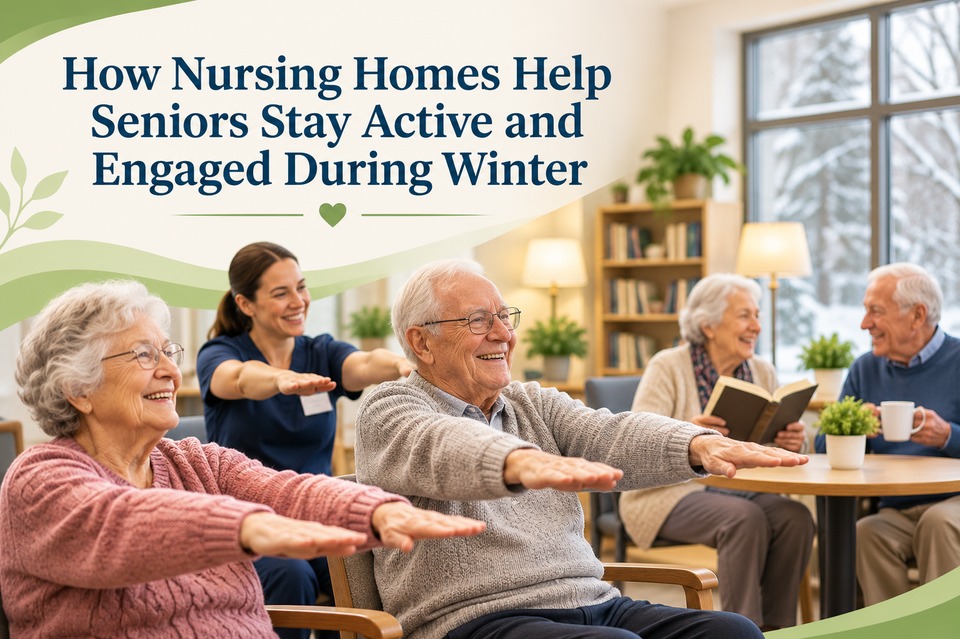
Shorter days and colder weather don’t have to mean a quieter, less connected life. Here’s how a caring community keeps winter full of movement, friendship, and meaning.
Winter has a way of changing everyone’s routine. The days get shorter, temperatures drop, and an afternoon outdoors suddenly sounds a lot less appealing. Here in Jamestown and across the Piedmont Triad, North Carolina winters can be especially unpredictable: a bright, sunny afternoon may be followed by several days of cold rain or an icy morning that makes staying indoors the safest choice.
For older adults, these seasonal changes can have a bigger impact on everyday life. Someone who loves walking outside may become less active when temperatures fall. A senior who regularly visits friends or attends community events may find fewer chances to socialize. Even familiar hobbies can lose some of their spark when the days feel long and there isn’t much on the calendar.
That’s why staying active and engaged in winter is about more than passing the time. Physical movement, social interaction, creative activities, and familiar routines all contribute to an older adult’s quality of life.
At Adams Farm Living & Rehabilitation, supporting residents’ daily well-being means recognizing the importance of meaningful activities and connection all year long. For families exploring nursing homes in North Carolina, understanding how a community approaches resident life during the colder months offers valuable insight into the overall living experience.
Jump To Section
Why It Matters
Why Staying Active Matters During the Winter Months
It’s easy to become less active during winter, regardless of age. Cold weather can discourage outdoor walks, shorter days may affect motivation, and spending more time indoors often leads to longer stretches of sitting.
For older adults, maintaining appropriate movement can be particularly important. Regular physical activity, when suited to a person’s abilities and health needs, can help support strength, flexibility, balance, mobility, and everyday function.
Think about how many ordinary tasks depend on movement. Each of these involves some combination of strength, coordination, and endurance:
Getting out of bed in the morning
Walking to the dining room
Standing up from a chair
Getting dressed for the day
Taking part in favorite hobbies
When seniors become increasingly inactive, these activities may begin to feel more difficult. Keeping safe opportunities for movement in place throughout winter helps residents continue using their abilities and taking part in daily life.
Staying active doesn’t mean every resident needs a demanding exercise routine. For some, a short walk may be just right. Others may benefit from seated activities, gentle movement, or simply joining in daily tasks within their abilities.
The goal is to encourage movement that is safe, enjoyable, and appropriate for each person.
Indoor Exercise
Indoor Exercise Can Make Movement Enjoyable
One advantage of living in a nursing community is that opportunities for movement don’t have to depend on the weather. Indoor activities give residents ways to stay physically engaged even when it’s too cold, wet, or icy to go outside.
Depending on individual abilities and care recommendations, residents may enjoy:
Gentle seated exercise
Movement to music
Stretching activities
Balloon games
Other programs that encourage appropriate physical participation
These activities are especially appealing when they feel more like recreation than exercise. A resident who isn’t drawn to a traditional exercise class may happily join a group game that involves reaching, passing a lightweight object, or moving to familiar music. Another resident may prefer a quieter activity that lets them move at their own pace.
What matters most is matching the activity to the individual. Residents have different medical conditions, mobility levels, interests, and energy levels, so activities should be adapted when appropriate. That way, everyone can enjoy movement without feeling pressured to perform beyond their abilities.
Everyday Movement
Physical Activity Doesn’t Always Require an Exercise Class
When families think about keeping seniors physically active, they often picture scheduled fitness programs. Those can be beneficial, but everyday activities offer plenty of chances to move too:
Walking to a social gathering
Working on a craft
Helping with a simple decorating project
Joining a recreational game
For residents who can participate safely, these ordinary movements can be a meaningful part of an active routine. Someone who loves gardening might appreciate an indoor planting activity during winter. A music lover may enjoy a program that includes clapping, gentle movement, or dancing within their abilities.
The activity itself becomes the motivation to move.
This distinction matters, because an active lifestyle doesn’t have to look the same for every resident. It can be built around personal interests rather than asking everyone to follow an identical schedule.
Mental Engagement
Winter Activities Can Help Keep the Mind Engaged
Physical movement is only one part of staying active. Mental engagement also plays an important role in everyday well-being, and winter offers plenty of activities that encourage thinking, creativity, conversation, and memory.
Bingo, trivia, word puzzles, and card games give residents chances to concentrate, make decisions, and interact with others
Arts and crafts encourage creativity and personal expression
Music programs may inspire singing, storytelling, or conversations about favorite songs
Seasonal themes can make familiar programs feel fresh. A regular trivia game might focus on winter traditions, classic movies, or memorable events from past decades. A craft program might feature snowflakes, winter landscapes, or decorations for upcoming holidays.
These activities don’t need to be complicated to be meaningful. Familiar games and hobbies can be especially enjoyable because residents already know what to expect and can participate comfortably.
The goal isn’t to test someone’s memory or measure how quickly they finish a task. It’s to create opportunities for enjoyment, mental engagement, and personal expression.
Creativity
Creative Activities Bring Variety to Winter Days
Arts and crafts can be especially enjoyable in winter because they let residents create something personal while spending time with others. Hands-on projects offer room for creativity and self-expression, including:
Painting and coloring
Seasonal decorating
Card making
Other hands-on projects
The finished product isn’t necessarily the most important part. A resident may enjoy choosing colors, chatting about a project with a friend, or remembering a similar activity from earlier in life. Someone who spent years sewing, woodworking, painting, or decorating their home may appreciate the chance to keep exploring those interests in an adapted way.
Creative activities can also shape the community itself. Residents may enjoy seeing their artwork displayed in common areas or helping create decorations for seasonal events, which gives them a chance to contribute to the spaces where they live.
Winter activities become more meaningful when residents aren’t simply watching events happen around them but are helping create the experience.
Music
Music Can Brighten Even the Coldest Days
Music is one of the most versatile activities in a nursing community, because residents can enjoy it in so many ways. Some love singing along to familiar songs, while others prefer to listen quietly. A music program might include live entertainment, favorite recordings, seasonal songs, or selections from decades that hold special memories.
Music also encourages social interaction. A familiar song may prompt someone to talk about a school dance, a wedding, a favorite performer, or a family tradition. Those conversations create connections between residents and give them a chance to share personal stories.
During winter, music brings energy and variety to the day. An afternoon of familiar songs is especially welcome when outdoor activities are limited. Whether residents are singing, clapping, moving to the rhythm within their abilities, or simply enjoying the performance, music offers an accessible way to take part in community life.
Celebrations
Seasonal Celebrations Give Residents Something to Anticipate
One challenge of winter is that days can start to feel repetitive. When outdoor activities are limited, special events on the calendar bring welcome variety and something enjoyable to look forward to:
Holiday celebrations
Themed meals
Birthday gatherings
Winter socials
Movie afternoons
Other seasonal programs
These events also keep residents connected to familiar traditions. A resident may enjoy talking about childhood snow days, favorite holiday meals, or how their family welcomed the New Year. Others may appreciate decorating, listening to seasonal music, or sharing memories with friends.
Not every event needs to be elaborate. Sometimes a themed afternoon, a favorite dessert, or a small gathering with music and conversation is enough to make an ordinary winter day feel special.
The value comes from creating opportunities for residents to take part in experiences that are enjoyable and meaningful to them.
Family Connection
Family Visits Can Help Residents Stay Connected
Family relationships matter all year, but winter can make visits harder. Busy holiday schedules, travel plans, illness, and the occasional bout of winter weather may affect how often loved ones can stop by.
Even when in-person visits aren’t possible, families can help residents feel connected to life outside the community:
Phone calls and video chats
Letters and greeting cards
Photographs from home
Joining special events or seasonal activities when appropriate
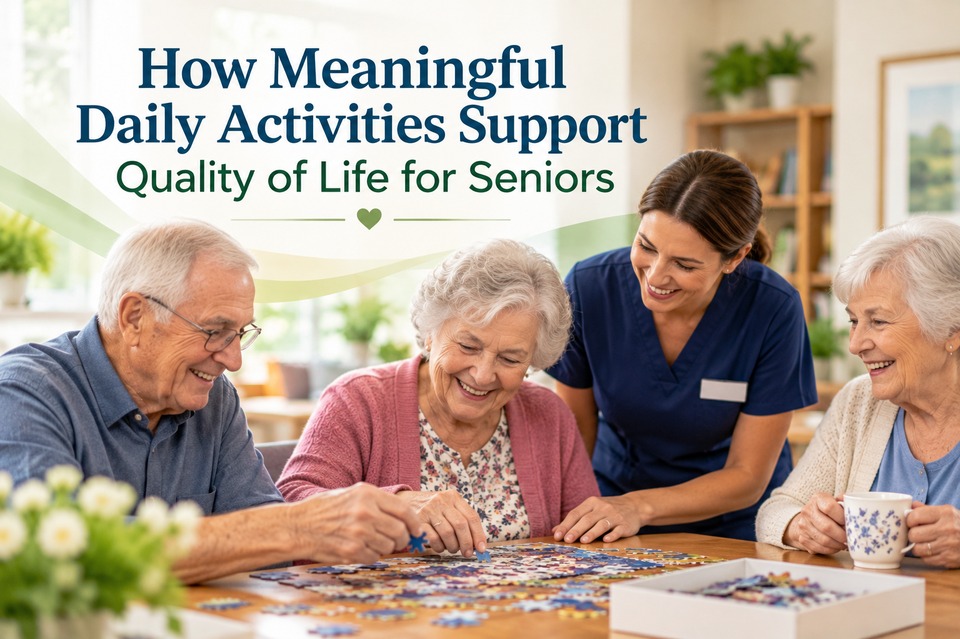
For those who can visit, spending time together doesn’t require an elaborate plan. A family member might attend a music program, work on a puzzle, share photographs, or simply enjoy a conversation over a favorite beverage. These moments are meaningful because they let residents keep building memories with the people they love.
Families can also share information about the hobbies and traditions their loved one has enjoyed throughout life. Those details help activity staff better understand each resident’s interests and preferences.
Emotional Well-Being
Emotional Well-Being Deserves Attention During Winter
Shorter days and reduced activity can affect how some people feel emotionally. A resident may miss spending time outdoors, feel disappointed about changes in holiday traditions, or grow frustrated when physical limitations make familiar activities more difficult. These feelings deserve understanding rather than dismissal.
Meaningful activities, social connections, family involvement, and opportunities for personal choice can all support emotional well-being. Still, not every resident will feel cheerful simply because a busy activities calendar is available. Some people need quiet time, while others may benefit from additional emotional support.
Staff and families should watch for:
Significant or persistent changes in mood
Withdrawal from activities the resident previously enjoyed
Other concerns that may call for further evaluation
An active community makes room for both participation and personal preference. Supporting well-being means recognizing that residents have different emotional needs, just as they have different physical abilities.
Rehabilitation
How Rehabilitation Services Can Complement an Active Lifestyle
For some residents, maintaining or improving functional abilities also involves formal rehabilitation services. Physical, occupational, and speech therapy differ from recreational activities because they address specific clinical and functional goals based on an individualized plan of care.
Physical therapy may focus on mobility, balance, strength, and transfers
Occupational therapy can address daily activities such as dressing, grooming, and bathing
Speech therapy may address communication, cognition, or swallowing when appropriate
These services can complement everyday opportunities for engagement. A resident working on mobility in therapy may also join social activities that involve walking or moving safely within their abilities. Someone addressing upper-body function may enjoy appropriate creative activities outside formal therapy sessions.
Families researching rehabilitation centers in North Carolina should understand that rehabilitation and recreational programming serve different purposes, even though both contribute to a resident’s overall quality of life.
Formal therapy focuses on individualized treatment goals, while recreational activities provide opportunities for enjoyment, connection, creativity, and participation in everyday routines.
Personal Choice
Encouraging Participation Without Creating Pressure
A successful activities program isn’t measured by how many residents attend every event. Some people enjoy busy schedules filled with games, music, and social gatherings. Others have always preferred quieter hobbies, smaller groups, or time alone. Both approaches deserve respect.
Health conditions, fatigue, mobility limitations, hearing or vision changes, and cognitive differences can all influence participation. An activity may need to be modified, shortened, or offered in a different format. One person may take part in an entire group program, while another may enjoy listening for a few minutes or trying a similar activity on their own.
The goal is to offer meaningful opportunities rather than expect identical participation from everyone. Encouraging an active lifestyle in winter means helping residents find activities they genuinely enjoy and can take part in comfortably.
Life at Adams Farm
Staying Active During Winter at Adams Farm Living
At Adams Farm, resident life involves more than meeting medical and personal care needs. Opportunities for social interaction, recreation, and meaningful activities help residents stay connected to their interests and the people around them throughout the year.
Winter may limit some outdoor activities, but it doesn’t have to limit enjoyment. Indoor games, music, creative programs, seasonal celebrations, and appropriate movement activities all contribute to a more engaging daily routine. For residents receiving rehabilitation services, individualized therapy may also help address functional goals related to mobility and everyday activities.
Families comparing nursing homes in North Carolina should consider what daily life looks like beyond medical care. A few helpful questions to ask:
Are there opportunities for residents to socialize?
Can activities be adapted for different abilities?
Are personal interests taken into account?
How does the community create variety during the colder months?
These questions help families understand how a community supports the whole person.
Winter doesn’t have to be a season of inactivity or isolation. With opportunities for safe movement, meaningful social connections, creativity, and personal choice, seniors can keep enjoying fulfilling experiences even when the weather keeps everyone indoors.
Sometimes the most memorable winter days aren’t the ones with snow outside the window. They’re the afternoons spent laughing with friends, listening to a favorite song, creating something new, or sharing a special moment with family. Those are experiences worth making room for in every season.
FAQ
Frequently Asked Questions About Keeping Seniors Active During Winter
Why is it important for nursing home residents to stay active during winter?
Appropriate physical activity can help support strength, mobility, balance, and everyday function, while social and recreational activities provide opportunities for connection, creativity, and enjoyment. Maintaining meaningful routines can also help residents avoid spending excessive time inactive or isolated during colder months.
What indoor activities are good for seniors in nursing homes?
Depending on individual abilities and preferences, activities may include gentle seated exercise, movement to music, bingo, trivia, arts and crafts, card games, music programs, movie afternoons, and seasonal celebrations. The most appropriate activities are those that residents enjoy and can participate in safely.
Can seniors with limited mobility still participate in winter activities?
Yes. Many recreational activities can be adapted for residents with mobility limitations. Seated games, music programs, crafts, conversation groups, and other activities may provide opportunities for participation without requiring extensive movement. Adaptations should reflect individual abilities, safety needs, and preferences.
How do nursing homes support seniors’ emotional well-being during winter?
Nursing communities may provide opportunities for social interaction, meaningful activities, family involvement, creative expression, and seasonal celebrations. These experiences can help residents maintain connections and enjoy familiar interests. Staff and families should also remain attentive to persistent mood changes or other concerns that may require additional support.
What’s the difference between rehabilitation services and recreational activities in a nursing home?
Rehabilitation services, such as physical, occupational, and speech therapy, address specific clinical or functional goals according to an individualized treatment plan. Recreational activities focus more broadly on enjoyment, social engagement, creativity, and participation in daily life. Both can contribute to a resident’s well-being, but recreational programs are not a substitute for skilled rehabilitation.
See What Winter Looks Like at Adams Farm
We’d love to show you how our residents stay active, connected, and engaged all season long, right here in Jamestown. Schedule a visit or call our team at (336) 855-5596 to learn more about life at Adams Farm Living.
Social Connection
Social Connections Are Especially Important During Winter
Winter can sometimes feel isolating, particularly for older adults who once relied on outdoor activities, neighborhood visits, or regular community outings for social interaction. For residents in long-term nursing care, opportunities to connect with others can help the colder months feel more enjoyable and fulfilling.
Shared activities create natural openings for conversation and friendship. Residents may discover common interests while playing cards, listening to music, working on crafts, or attending seasonal celebrations, and those moments help them feel more connected to the community around them.
Someone who is hesitant to start a conversation may find it easier to connect during a familiar activity. A group game gives everyone something to talk about, while a music program may lead to shared memories and stories.
Social engagement doesn’t mean everyone has to join large gatherings. Some residents prefer smaller groups or one-on-one conversations, and those interactions can be just as meaningful.
For families considering North Carolina skilled nursing facilities, it’s worth asking how each community encourages social connection while respecting residents’ individual personalities and preferences.