- Follow Us:
- (336) 855-5596
- [email protected]

How Nursing Homes Help Seniors Stay Active and Engaged During Winter
November 16, 2026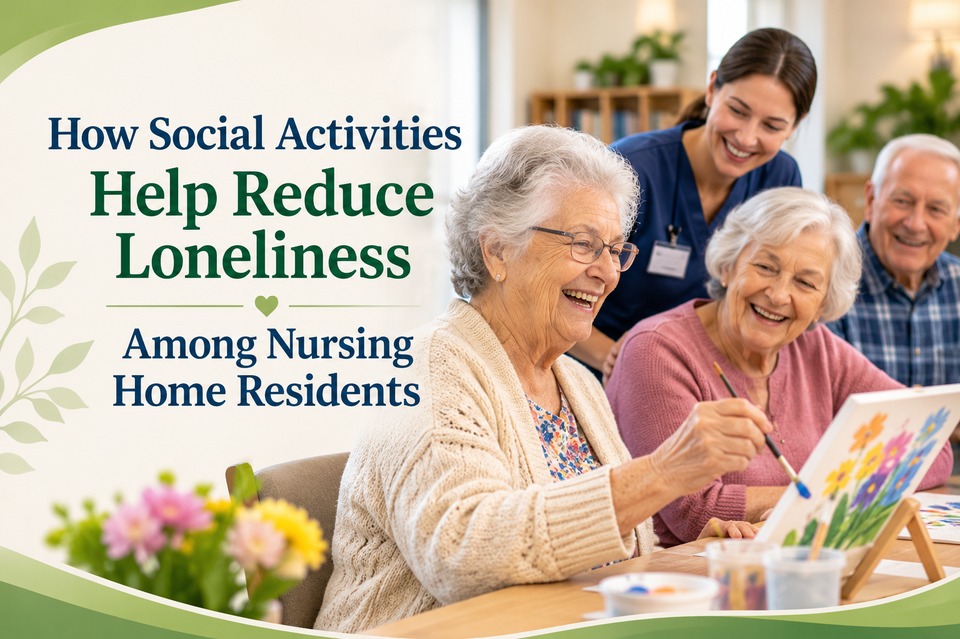
Loneliness isn’t the same as being alone. Shared activities, friendships, and a sense of belonging can help nursing home residents feel truly connected.
Moving into a nursing home can bring significant changes to an older adult’s daily life. Familiar surroundings are replaced with a new environment, longtime routines may change, and neighbors or friends who were once part of everyday life may no longer be just a short walk or drive away. Even when a move provides much-needed care and support, adjusting to those changes can take time.
For some seniors, one of the biggest challenges is loneliness. It’s important to understand that loneliness isn’t necessarily the same as being alone. A person can be surrounded by residents, caregivers, and visitors throughout the day and still feel disconnected. What many people miss isn’t simply having others nearby, but having meaningful conversations, familiar relationships, shared interests, and a sense of belonging.
That’s why social activities are an important part of resident life. Games, music, creative programs, celebrations, and everyday opportunities to spend time together can help older adults build friendships and maintain connections that make daily life more enjoyable. At Adams Farm Living & Rehabilitation, right here in Jamestown, we see every day how these moments of connection brighten residents’ lives.
For families exploring nursing homes in North Carolina, understanding how a community encourages social interaction can provide valuable insight into the overall quality of life residents may experience.
Jump To Section
Understanding Loneliness
Why Do Some Nursing Home Residents Experience Loneliness?
Loneliness can affect people at any age, but older adults may experience circumstances that make maintaining social relationships more difficult.
A move into long-term nursing care often follows a period of significant change. A resident may have recently experienced:
A hospitalization
Declining mobility
The loss of a spouse
Increasing difficulty managing everyday activities at home
These experiences can affect both emotional well-being and opportunities for social interaction.
Even when a resident understands why additional care is needed, leaving a familiar home can be difficult. They may miss longtime neighbors, weekly gatherings, church activities, or the freedom to visit friends whenever they choose.
Physical limitations can create additional challenges. Hearing or vision changes may make conversations more difficult, while mobility concerns can affect participation in certain activities. Residents who are naturally shy may also need time to feel comfortable in a new social environment.
These factors don’t mean loneliness is inevitable. They do, however, highlight why meaningful opportunities for connection should be part of everyday life in North Carolina skilled nursing facilities.
Building Friendships
Social Activities Create Opportunities for Friendships to Develop
Friendships rarely develop simply because two people live in the same building. They usually begin with shared experiences, familiar interests, or small conversations that gradually become more meaningful. Organized activities can help create those opportunities.
Consider two residents who regularly attend bingo. At first, they may simply sit at the same table. Over time, they begin talking before the game starts, joking about their lucky numbers, or asking about each other’s families. Eventually, they may start looking forward to seeing one another each week.
A similar connection might develop during a craft program, music performance, book discussion, or afternoon social gathering. These activities provide a natural starting point for conversation without requiring residents to approach strangers and introduce themselves.
For someone adjusting to nursing home life, that can make a significant difference. A familiar face at an activity may eventually become someone to share meals with, visit during the afternoon, or simply greet in the hallway.
Togetherness
Group Activities Can Build a Sense of Community
There is something comforting about being part of a group with a shared interest. Whether residents are playing cards, singing familiar songs, participating in trivia, or celebrating a birthday, group activities can create a feeling of togetherness.
They also give residents opportunities to contribute:
Someone who enjoys trivia may share an interesting fact.
A resident who loves music might suggest a favorite song.
Another person may have a wonderful story to tell during a reminiscence activity.
These contributions help residents feel that their experiences, personalities, and interests continue to matter.
Group programs can also establish familiar routines. Residents may look forward to seeing the same people at certain activities, creating a sense of continuity within the community.
For families comparing nursing homes in North Carolina, it’s worth asking how activities are planned and whether residents have opportunities to suggest programs based on their own interests.
A calendar filled with events can be appealing, but meaningful engagement depends on more than the number of activities offered.
Creative Connection
Music and Creative Activities Can Encourage Connection
Not every social activity needs to involve structured conversation. Music, art, and other creative programs can bring people together in different ways.
A familiar song may encourage residents to sing, clap, or share memories. A painting or coloring activity may lead to conversations about favorite colors, hobbies, or creative projects from earlier in life.
Creative activities can also provide a comfortable environment for residents who find large social gatherings overwhelming. Working on a craft beside another person may feel less intimidating than attending a busy party. Conversation can develop naturally while participants focus on the activity.
These programs also offer opportunities for personal expression. Residents can make choices, explore interests, and create something that reflects their own preferences.
The goal isn’t necessarily to produce a perfect piece of artwork or complete a complicated project. Often, the value comes from enjoying the experience and sharing it with others.
Emotional Well-Being
Social Engagement Can Support Emotional Well-Being
Feeling connected to others can contribute to emotional well-being at every stage of life. For nursing home residents, friendships and social activities may provide:
Companionship
Enjoyment
Encouragement
A sense of belonging
A resident who looks forward to a weekly game or music program has something enjoyable on the calendar. Someone who develops a friendship may feel more comfortable participating in other community activities.
Social connections can also provide opportunities to share everyday experiences. Residents may talk about family, celebrate good news, reminisce about the past, or offer encouragement to someone having a difficult day. These interactions can help make daily life feel more personal and connected.
However, activities shouldn’t be viewed as a substitute for professional mental health support when it is needed. Persistent sadness, withdrawal, significant changes in mood, or other emotional concerns deserve appropriate attention and evaluation.
A thoughtful approach to resident well-being recognizes both the value of everyday social interaction and the importance of addressing individual emotional health needs.
Family Connection
Family Visits Help Maintain Important Relationships
While new friendships can enrich nursing home life, existing relationships remain just as important. Family members and longtime friends provide a connection to a resident’s personal history, traditions, and life outside the community.
Visits from spouses, children, grandchildren, siblings, and close friends can offer reassurance and enjoyment. Even a short visit may provide an opportunity to share family news, look through photographs, or simply spend time together.
Families can also participate in activities when appropriate and consistent with facility policies. Attending a seasonal celebration, listening to a music performance, or joining a resident for a favorite activity can create new memories while maintaining familiar relationships.
For families who live farther away, there are still many ways to stay close:
Phone calls
Video chats
Letters
Photographs
The most meaningful contact isn’t always the longest or most elaborate. Consistent communication and genuine attention can help loved ones feel remembered and included.
Special Events
Community Events Can Bring New Energy to Resident Life
Special events can provide opportunities for residents to connect with people beyond their usual daily routines. Holiday celebrations, themed gatherings, performances, birthday parties, and other community activities can bring variety and excitement to the calendar.
When appropriate, intergenerational activities may be particularly enjoyable. Visits involving children, grandchildren, or community groups can create opportunities for residents to share stories and experiences with people of different ages.
Community involvement can also help residents maintain a connection to familiar traditions and interests. For example, a seasonal celebration may remind residents of holidays spent with their families, while a musical performance may bring back memories of favorite entertainers or songs.
These events don’t have to be elaborate to be meaningful. Sometimes a simple gathering with music, refreshments appropriate to residents’ needs, and friendly conversation is enough to make an ordinary afternoon feel special.
Short-Term Stays
Social Connections Matter During Short-Term Nursing Care, Too
Loneliness isn’t limited to residents receiving long-term care. Older adults receiving short term nursing care after surgery, illness, injury, or hospitalization may also experience feelings of isolation or uncertainty.
A rehabilitation stay can be a major adjustment, particularly for someone who is accustomed to managing their own daily routine. While rehabilitation may be focused on improving strength, mobility, or other functional abilities, emotional well-being remains important.
Family visits, conversations with staff, appropriate recreational activities, and opportunities to interact with other residents can help maintain a sense of normalcy during recovery.
Participation should always reflect the resident’s condition and energy level. Someone recovering from surgery may not feel ready for a lengthy group event but might enjoy listening to music, chatting with another resident, or receiving a visit from family.
Even temporary stays can benefit from opportunities for meaningful connection.
Everyday Moments
Staff Can Help Residents Feel Included
Social engagement doesn’t happen only during scheduled activities. Everyday interactions with staff can also contribute to a resident’s sense of belonging.
A friendly greeting, a conversation about a favorite hobby, or remembering someone’s preferred activity can help residents feel recognized as individuals.
Staff may also notice when someone seems hesitant to participate or has become less interested in activities they previously enjoyed. Understanding a resident’s personality and preferences can help identify opportunities for engagement that feel natural.
For example, a resident who doesn’t enjoy large gatherings may appreciate an invitation to a smaller activity. Someone who loves music may be more interested in attending a performance than participating in a traditional game.
These thoughtful interactions can help create a community where residents feel seen, heard, and included.
Our Approach
Encouraging Meaningful Connections at Adams Farm Living & Rehabilitation
Choosing a nursing home involves more than evaluating medical services and assistance with daily activities. Families are also considering the environment where their loved one will spend ordinary afternoons, weekends, birthdays, and holidays.
At Adams Farm Living, meaningful resident engagement is an important part of supporting quality of life. Opportunities for activities, social interaction, and community involvement can help residents maintain familiar interests while developing new connections.
For families exploring North Carolina skilled nursing facilities, it’s helpful to look beyond the activities calendar and ask what daily life actually feels like:
Are residents encouraged to participate in activities they enjoy?
Are there opportunities for friendships to develop?
Can activities be adapted to different interests and abilities?
How are family members included in resident life?
These questions can provide valuable insight into how a community supports residents as individuals.
Loneliness doesn’t disappear simply because someone is surrounded by other people. Meaningful connection develops through shared experiences, familiar relationships, personal interests, and opportunities to feel part of a community.
A game may lead to a new friendship. A song may spark a wonderful conversation. A family visit may brighten an otherwise ordinary afternoon. And a shared hobby may give two residents something to look forward to every week.
These moments may seem small, but together they can help make nursing home life more connected, enjoyable, and fulfilling.
FAQ
Frequently Asked Questions About Loneliness and Social Activities in Nursing Homes
Why do some nursing home residents experience loneliness? Loneliness may develop because of changes in living arrangements, separation from familiar friends and neighbors, loss of a spouse, mobility limitations, or difficulty adjusting to a new environment. Some residents may also experience hearing, vision, or cognitive changes that make social interaction more challenging. Meaningful opportunities for connection can help address some of these concerns.
What types of social activities are beneficial for nursing home residents? Activities such as bingo, card games, music programs, arts and crafts, trivia, seasonal celebrations, reminiscence groups, and shared-interest gatherings can provide opportunities for conversation and companionship. The most beneficial activities are those that reflect residents’ individual interests, abilities, and preferences.
Can social activities improve emotional well-being in older adults? Social activities can provide companionship, enjoyment, a sense of belonging, and opportunities to develop friendships. These experiences may help reduce feelings of loneliness and support emotional well-being. However, persistent sadness, withdrawal, or other significant emotional concerns should also be discussed with appropriate healthcare professionals.
How can families help reduce loneliness when a loved one lives in a nursing home? Families can maintain regular contact through visits, phone calls, video chats, cards, and photographs. When appropriate, they may also participate in activities or special events. Sharing information about a loved one’s hobbies, interests, and family traditions can help staff identify meaningful opportunities for engagement.
Do social activities matter for seniors receiving short term nursing care? Yes. Seniors receiving short term nursing care may experience changes in routine, temporary separation from family, and uncertainty during recovery. Appropriate social activities, family visits, and everyday interactions can help provide companionship and a sense of normalcy while residents focus on their rehabilitation and recovery goals.
See How Connection Feels at Adams Farm
We’d love to show you how our Jamestown community helps residents build friendships, enjoy familiar interests, and feel at home. Schedule a visit or call our team at (336) 855-5596.
Personal Preferences
Not Every Resident Wants the Same Level of Social Interaction
One important part of reducing loneliness is recognizing that social needs vary. Some residents thrive in large groups and enjoy a busy schedule filled with games, music, and celebrations. Others prefer quieter activities, smaller gatherings, or one-on-one conversations.
Neither preference is wrong. A resident who chooses not to attend bingo isn’t necessarily lonely, just as someone who attends every activity isn’t automatically socially fulfilled.
The key is understanding what meaningful connection looks like for each individual:
A person who has always enjoyed reading may prefer a book discussion with a few residents.
Someone who loves conversation may enjoy regular social gatherings.
Another resident may find companionship through a shared hobby or quiet visits with a friend.
Respecting personal preferences can help social engagement feel inviting rather than forced.
For residents with mobility, hearing, vision, or cognitive challenges, activities may also need to be adapted so participation remains comfortable and accessible.