- Follow Us:
- (336) 855-5596
- [email protected]

How Healthcare Teams Can Build Trust With Patients and Families
September 4, 2026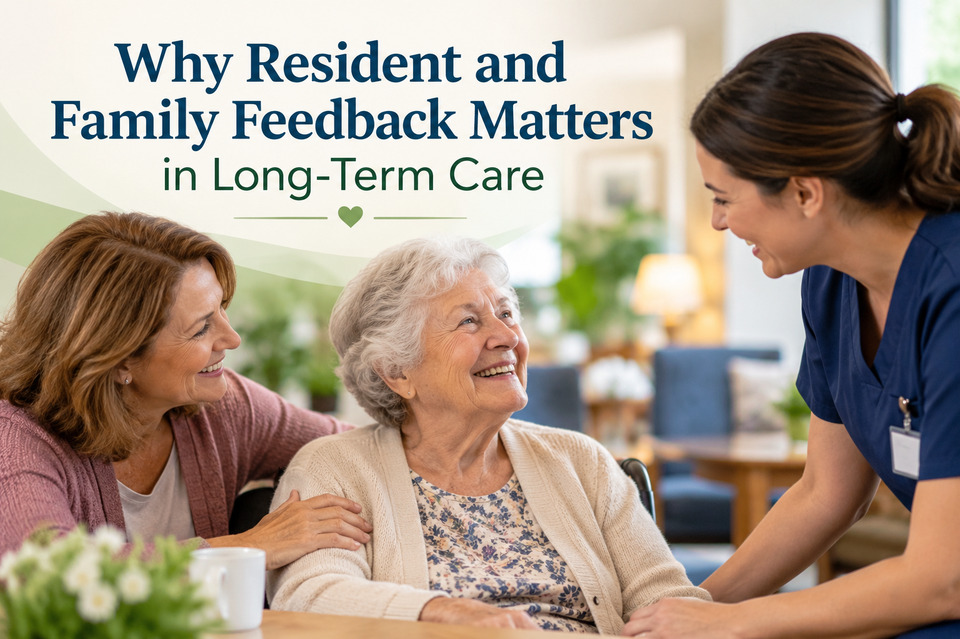
When residents and families have something to say, listening becomes one of the most important parts of person-centered care.
Choosing long-term care for someone you love comes with plenty of questions. Families naturally want to know about nursing services, rehabilitation, activities, meals, safety, and the overall environment. But there’s another important question that’s sometimes overlooked: What happens when a resident or family member has something to say?
Listening is an important part of providing person-centered care. Residents experience daily life in a nursing and rehabilitation community firsthand. They know whether routines are working well for them, whether they understand their care plan, and whether there are small changes that could make them feel more comfortable. Families can offer another valuable perspective, particularly when they know a loved one’s routines, preferences, personality, and previous abilities.
That’s why resident and family feedback shouldn’t be viewed simply as a way to measure satisfaction. When facilities actively listen, communicate, and respond appropriately, feedback can become a valuable tool for improving the overall care experience. For families comparing nursing homes in Jamestown, NC, understanding how a community gathers and responds to feedback can provide meaningful insight into its approach to residents and families.
Jump To Section
Why It Matters
Why Resident and Family Feedback Is So Important
Healthcare professionals bring clinical expertise to the care relationship, but residents bring something equally important: personal experience.
A care plan may describe someone’s medical needs, mobility limitations, medications, dietary requirements, and therapy goals. What it can’t fully capture is what it’s like to live through those needs every day. Everyday observations like these can fill in that picture:
A resident may notice that a particular routine makes mornings easier.
Someone receiving rehabilitation may have questions about why they’re working on certain activities.
A family member might notice that their loved one seems more tired than usual or isn’t participating in a favorite activity.
These observations can provide useful information.
Feedback also gives residents an opportunity to have a voice in their own care. For someone who has recently moved into long-term care or temporarily entered rehabilitation, many aspects of daily life may feel unfamiliar. Being asked about preferences, concerns, and experiences can help reinforce that the resident remains an active participant in decisions affecting them.
Better Care
How Feedback Can Improve Care Quality
Feedback is most valuable when it leads to understanding and, when appropriate, action.
Imagine that several residents say they would prefer a different time for a particular activity. That information might prompt staff to evaluate the schedule. If families repeatedly say they’re unsure whom to contact with questions, the facility may recognize an opportunity to clarify communication procedures.
Individual feedback can also help personalize care. For example:
A resident has difficulty sleeping because of an aspect of their nighttime routine.
Another resident prefers a different approach to getting ready in the morning.
A rehabilitation resident feels frustrated because they don’t understand how a particular exercise relates to their goal of returning home.
Not every request can necessarily be accommodated, and some decisions must reflect medical needs, safety requirements, regulations, or other factors. Even then, listening matters. Explaining why something is done a particular way and discussing available alternatives can help residents and families better understand the care plan.
Among rehabilitation centers in North Carolina, communication can be particularly important because resident abilities and needs may change throughout a short-term stay. Feedback can help the care team understand not only how someone is progressing clinically but also how the individual is experiencing the recovery process.
Family Partnership
Families Bring Valuable Knowledge to the Conversation
Families often know details about a resident that aren’t immediately obvious to a new care team. They may know that Dad has always been an early riser, that Mom becomes anxious when plans change without warning, or that a loved one previously managed certain activities independently before hospitalization. That history can provide useful context.
Family members may also notice subtle changes during visits. Perhaps a loved one seems less engaged, appears unusually tired, or expresses a concern they haven’t shared with staff. Communicating those observations gives the care team an opportunity to better understand what may be happening.
Family involvement doesn’t mean relatives make every decision or replace the resident’s own voice. Residents’ preferences, rights, privacy, and decision-making abilities remain central. Instead, families can serve as valuable partners when their involvement is appropriate and consistent with the resident’s wishes.
Building Trust
Clear Communication Builds Trust
Feedback works best when communication goes both ways. Residents and families need opportunities to ask questions and share concerns, but they also need clear information from the care team.
For example, a family member may be concerned that their loved one isn’t walking as far as expected during rehabilitation. A conversation with the therapy team might reveal that the current focus is improving balance or reducing the amount of assistance needed during transfers before increasing walking distance.
Without that explanation, the family might assume progress has stalled. With it, they have a clearer understanding of the rehabilitation plan.
Good communication doesn’t mean promising that every outcome will match expectations. It means helping people understand goals, changes, recommendations, and next steps.
Trust often develops through these smaller interactions. When residents and families feel comfortable asking questions, and believe those questions will be taken seriously, it can strengthen the overall care relationship.
Surveys
How Resident Surveys Can Support Improvement
Formal surveys provide another way to gather information about the resident and family experience. Surveys can help facilities identify patterns that might be difficult to recognize through individual conversations alone. Questions may address communication, activities, meals, responsiveness, the care environment, or other aspects of the resident experience.
A single response provides one perspective. When multiple residents or families identify the same concern or opportunity, however, the information may point to a broader trend worth examining.
Surveys can also highlight what’s working well. Positive feedback matters because it helps organizations recognize practices that residents and families value. If residents consistently praise a particular communication approach, activity, or aspect of care, that information can help reinforce effective practices.
The goal shouldn’t simply be collecting favorable scores. The greater value comes from learning what residents and families are experiencing and using that information as part of ongoing quality improvement.
Short-Term Rehabilitation
Feedback Can Be Especially Helpful During Rehabilitation
Short-term rehabilitation can move quickly. A resident may arrive after surgery or hospitalization with significant weakness and require substantial assistance. A few weeks later, their abilities, goals, and discharge needs may look very different. Ongoing communication helps everyone keep up with those changes:
Residents can share whether they’re experiencing pain, fatigue, fear, or difficulty with certain activities.
Families can provide information about the home environment and the support that will be available after discharge.
Therapists and nursing professionals can explain progress and discuss remaining goals.
For families evaluating rehabilitation centers in North Carolina, asking how progress and concerns are communicated can be just as important as asking which therapy services are offered.
Rehabilitation is a collaborative process. When residents, families, therapists, nurses, and other members of the care team communicate effectively, everyone has a clearer understanding of what the resident is working toward.
Everyday Details
Small Suggestions Can Make a Meaningful Difference
Not all useful feedback involves a major problem. Sometimes a resident simply wants more time to choose clothes in the morning. A family may suggest moving a frequently used item within easier reach. Someone might request clarification about an activity schedule or meal option.
Individually, these may seem like small details.
But daily life is made up of small details.
When appropriate changes help someone feel more comfortable, informed, respected, or independent, they can influence the overall experience of care. This is one reason listening should be an ongoing process rather than something reserved for an annual survey.
Choosing Care
What Families Can Ask Before Choosing a Nursing or Rehabilitation Center
Families researching nursing homes in Jamestown, NC can ask prospective facilities how resident and family feedback is handled. Useful questions might include:
How are residents involved in care planning?
Who should families contact with questions?
Are satisfaction surveys conducted?
How are concerns addressed?
How does the rehabilitation team communicate progress?
Are families included in discharge planning when appropriate?
The answers can help families understand what communication may look like after admission. It’s also helpful to review resident and family information provided by the facility so everyone understands policies, communication procedures, resident rights, and expectations from the beginning.
Our Approach
Listening to Residents and Families at Adams Farm Living & Rehabilitation
At Adams Farm, residents are more than recipients of care. Each person comes with individual needs, preferences, routines, relationships, and goals that should be considered throughout the care journey. Open communication can help residents and families better understand care while giving the care team valuable insight into the individual experience.
For those considering Adams Farm nursing home services right here in Jamestown, asking questions and learning how care planning, rehabilitation, communication, and family involvement work can help families feel better prepared for the transition.
Whether feedback comes through a formal survey, a care planning conversation, or a simple question during the day, listening matters. It can help identify concerns, recognize what’s working, improve communication, and uncover opportunities to make daily life better.
Ultimately, quality long-term care isn’t only about what services are provided. It’s also about creating a relationship in which residents feel heard, families know how to communicate, and the care team continues looking for ways to improve the experience for the people they serve.
FAQs
Frequently Asked Questions About Resident and Family Feedback in Long-Term Care
Why is resident feedback important in a nursing home?
Resident feedback gives the care team insight into how individuals are experiencing daily life and care. It can help identify concerns, clarify preferences, improve communication, and highlight opportunities to make services more responsive to individual needs.
How can families provide feedback to a nursing facility?
The process varies by facility, but families may be able to provide feedback through conversations with staff, care planning meetings, satisfaction surveys, resident or family meetings, or established procedures for questions and concerns. Families should ask the facility about its preferred communication channels.
How do satisfaction surveys improve long-term care?
Surveys can help facilities identify patterns in resident and family experiences. When similar feedback appears repeatedly, it may highlight an area that deserves additional attention. Surveys can also identify practices that residents and families appreciate and would like to see continued.
What should families ask when comparing nursing homes in Jamestown, NC?
When researching nursing homes in Jamestown, NC, families can ask how residents participate in care planning, how families receive updates, who handles questions or concerns, how feedback is collected, and how the facility uses resident and family input. If rehabilitation is needed, ask how therapy progress and discharge planning are communicated as well.
How can families stay involved during short-term rehabilitation?
Families can share information about the resident’s previous abilities, home environment, routines, and available support after discharge. When appropriate, they can also participate in care planning, ask about rehabilitation goals, discuss progress, and learn what assistance or equipment may be recommended for the next stage of recovery.
We’re Here to Listen, and Here to Help
Have questions about care planning, rehabilitation, or how families stay involved at Adams Farm Living? Visit us in Jamestown or call our team at (336) 855-5596. We’d be glad to walk you through what to expect.