- Follow Us:
- (336) 855-5596
- [email protected]

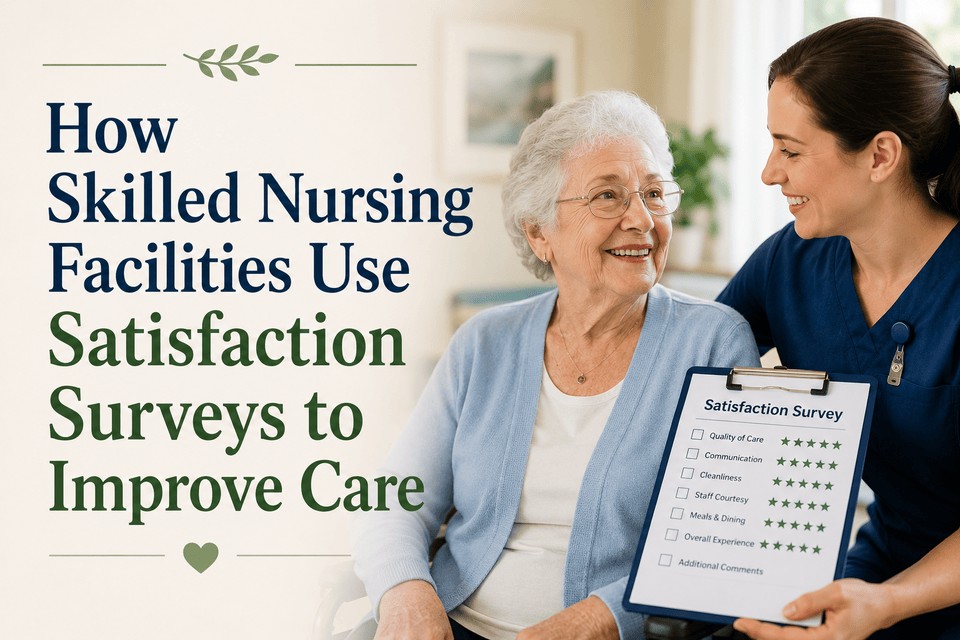
How Skilled Nursing Facilities Use Satisfaction Surveys to Improve Care
August 5, 2026
How Healthcare Teams Can Build Trust With Patients and Families
September 4, 2026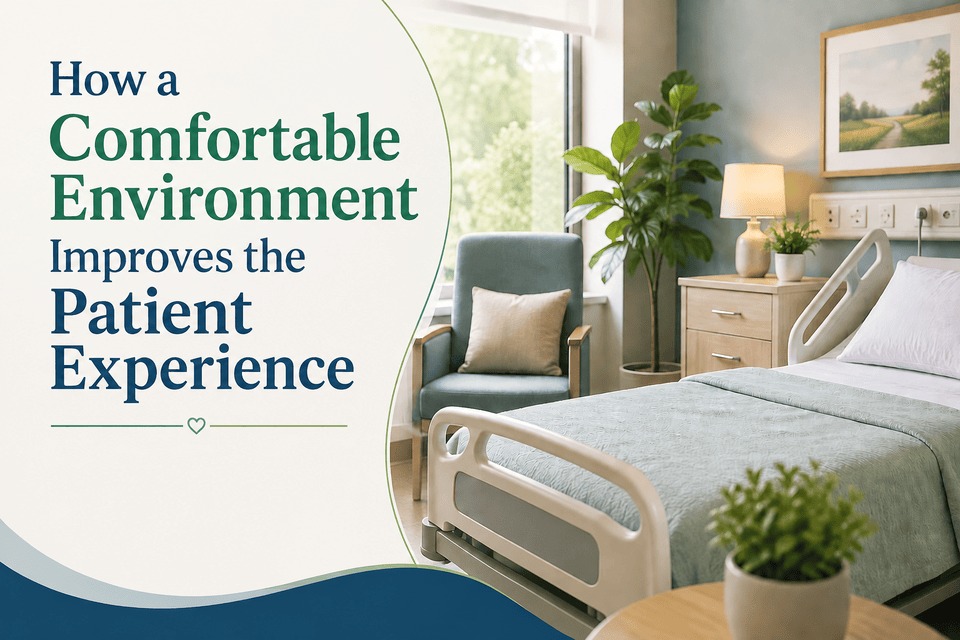
Clinical care is only part of the story. The comfort, cleanliness, and warmth of a care setting shape how recovery actually feels.
When families compare rehabilitation centers or skilled nursing facilities, clinical care is understandably one of their biggest priorities. They want to know that their loved one will have access to experienced professionals, appropriate therapy, and personalized support. But the quality of the environment matters, too.
A clean room, welcoming common areas, comfortable surroundings, and positive interactions with staff can influence how a patient feels throughout recovery. When someone is already dealing with an illness, injury, surgery, or a loss of independence, an unfamiliar healthcare setting can feel overwhelming. Creating an environment that feels safe, organized, comfortable, and respectful can make that transition easier.
This connection between surroundings and patient satisfaction in healthcare is important for providers as well as families. The patient experience includes much more than the medical services someone receives. It also encompasses how comfortable patients feel, how they are treated, whether their concerns are heard, and how confident families feel about the care environment.
At Adams Farm Living & Rehabilitation, creating a positive recovery experience means considering the whole person, from rehabilitation and skilled nursing needs to comfort, communication, and emotional well-being.
Jump To Section
First Impressions
Clean and Welcoming Spaces Make a Strong First Impression
The physical environment is often one of the first things patients and families notice when entering a healthcare facility. Cleanliness, organization, lighting, comfortable furnishings, and well-maintained common areas can immediately influence how someone feels about their surroundings.
A clean environment is particularly important in a healthcare setting, where infection prevention and resident safety are ongoing priorities. Beyond those clinical considerations, however, cleanliness can also provide reassurance.
Patients and families want to feel confident that attention is being paid to the details.
A welcoming atmosphere can also make a skilled nursing or rehabilitation center feel less institutional. Comfortable gathering areas, attractive surroundings, and opportunities for residents to personalize their spaces can help create a greater sense of familiarity during what may otherwise be a stressful transition.
Families touring rehabilitation centers in North Carolina may want to pay attention to these details:
Upkeep Does the environment appear well maintained throughout, not just in the entryway?
Residents Do the people living there seem comfortable and at ease?
Common spaces Are shared areas inviting, and do residents actually use them?
These observations can provide useful insight into the overall patient experience.
Physical Comfort
Comfort Matters During the Recovery Process
Recovery can be physically demanding. Therapy sessions may challenge strength, balance, endurance, and mobility, while the body may simultaneously be healing from surgery, illness, or injury. Having a comfortable place to rest between activities can therefore become an important part of the daily experience.
Physical comfort includes several everyday elements of care:
A comfortable room with an appropriate temperature and supportive furniture
Access to personal belongings so familiar items stay within reach
Opportunities for restful sleep between therapy sessions and daily activities
Assistance with positioning and other needs when appropriate
Management of pain and discomfort according to the patient’s care plan, which helps individuals participate in rehabilitation
Comfort does not mean removing every challenge from the recovery process. Rehabilitation is designed to help patients work toward greater function and independence, and that often requires effort. Instead, a supportive environment gives patients a place where they can recover between those efforts and feel cared for throughout the process.
When patients feel physically comfortable and supported, they may be better positioned to focus their energy on their rehabilitation goals.
Emotional Support
A Supportive Environment Can Promote Emotional Well-Being
The emotional side of rehabilitation deserves just as much attention as the physical side. Patients may arrive at a skilled nursing facility after an unexpected hospitalization or major change in their health. They may be worried about whether they will walk independently again, how long recovery will take, or whether they will be able to return home. An unfamiliar environment can add to those concerns.
Warm interactions with staff, predictable routines, comfortable surroundings, and opportunities for social connection can help patients settle into their new environment. Being greeted by name, having questions answered, and knowing what to expect throughout the day can make a significant difference.
Small personal touches can help as well. Family photographs, favorite books, cards, or other permitted belongings can make a temporary rehabilitation room feel more familiar.
This is one reason patient satisfaction in healthcare cannot be measured by clinical outcomes alone. How patients feel during their care matters, too.
Listening and Learning
Patient Feedback Helps Identify What Matters Most
Healthcare organizations do not have to guess which aspects of the experience are working well or where improvements may be needed. Patients and families can tell them.
Patient surveys in healthcare provide an opportunity to gather feedback about many different aspects of care:
Communication and responsiveness from the care team
Cleanliness and comfort of the environment
Staff interactions and the overall experience of the stay
Survey results can help a facility identify patterns that may not be obvious from individual interactions. If several patients mention the same concern, for example, that feedback can highlight an area worth reviewing. Likewise, consistently positive feedback can help identify practices that are particularly meaningful to residents and families.
Patient feedback is most valuable when it is viewed as part of an ongoing improvement process rather than simply a score.
Listening also does not need to wait until someone completes a formal survey. Residents and family members should feel comfortable asking questions, sharing concerns, and offering suggestions throughout the stay. Open communication gives the care team an opportunity to address issues when possible and helps patients feel that their voices matter.
For Families
Families Experience the Environment, Too
The patient is not the only person affected by the care environment. Family members often spend significant time visiting, communicating with staff, attending care planning meetings, and preparing for their loved one’s discharge. A welcoming facility can help families feel more comfortable participating in the recovery process.
Clear communication is especially important. Families may have questions about therapy progress, medications, discharge plans, or changes they have noticed in their loved one. Knowing whom to approach and feeling comfortable asking questions can build trust between families and the care team.
Comfortable spaces for visits can also help patients maintain meaningful relationships during rehabilitation. A visit that feels relaxed and natural can provide emotional encouragement and a welcome sense of normalcy.
When evaluating North Carolina skilled nursing facilities, families may therefore want to consider their own experience during a tour:
Are staff members approachable and easy to talk with?
Are questions welcomed rather than rushed through?
Does the facility appear to encourage family involvement?
These details can be just as meaningful as the appearance of the building itself.
Working Together
Comfort and Rehabilitation Work Together
A comfortable environment is not a substitute for high-quality rehabilitation, but the two can complement each other.
Successful rehabilitation requires participation. Patients may be asked to practice walking, work on balance, complete strengthening exercises, or relearn everyday activities such as dressing and bathing. These tasks can be tiring and sometimes frustrating. A supportive environment can make it easier to remain engaged in that process.
Physical, occupational, and speech therapy can address different aspects of recovery, while skilled nursing professionals help manage medical needs. At the same time, comfortable surroundings, positive staff interactions, adequate rest, social opportunities, and family support contribute to the broader patient experience.
The result is a more comprehensive approach, one that recognizes that recovery involves a person rather than simply a diagnosis.
Culture of Care
Creating a Culture That Supports a Positive Patient Experience
Buildings and furnishings are only part of what makes an environment comfortable. The culture within the facility matters just as much.
Patients notice whether staff members communicate respectfully, respond to concerns, explain what is happening, and take time to listen. They notice whether they feel included in decisions about their care and whether their preferences are considered.
That human connection can turn a healthcare facility into a community where patients feel supported rather than simply treated.
For organizations, patient surveys in healthcare can provide valuable insight into these less tangible aspects of the experience. Feedback about kindness, communication, responsiveness, and respect can help facilities understand what residents and families value most.
Continuous improvement means paying attention to both the clinical and personal sides of care.
Our Approach
A Comfortable Recovery Experience at Adams Farm Living
At Adams Farm Living, right here in Jamestown, we believe the rehabilitation experience should support residents physically, emotionally, and socially. Our rehabilitation services are designed around individualized needs and goals, while our broader approach to care emphasizes dignity, communication, comfort, and meaningful interaction.
For families comparing rehabilitation centers in North Carolina or North Carolina skilled nursing facilities, we encourage looking at the complete experience. Ask about therapy and nursing services, but also take time to observe the environment, meet the staff, and learn how residents and families are encouraged to provide feedback.
The right care environment should feel professional without feeling impersonal. It should support recovery while recognizing that patients still want comfort, connection, respect, and a sense of belonging.
The Bigger Picture
Comfort Is an Important Part of Quality Care
A positive patient experience is created through many individual moments. It is the clean room that feels welcoming on arrival, the staff member who takes time to answer a question, the comfortable place to rest after therapy, and the opportunity for a family to visit and feel involved.
These experiences matter because healthcare is about more than treating an illness or completing a rehabilitation program. It is about caring for people during periods when they may feel particularly vulnerable.
By listening to feedback, maintaining comfortable and welcoming surroundings, encouraging family involvement, and providing personalized rehabilitation and nursing support, skilled nursing facilities can create an environment where patients feel valued throughout their recovery.
At Adams Farm Living, our goal is to provide an experience that combines professional care with the comfort, respect, and personal attention residents deserve. Because when people feel comfortable, heard, and supported, the recovery experience can become more positive for patients and families alike.
See the Difference a Comfortable Environment Makes
Visit us at 5100 Mackay Road in Jamestown, meet our team, and see how we care for residents every day. Call (336) 855-5596 or reach out online to schedule a tour.